
Crisis Chaos I. - What causes a crisis?
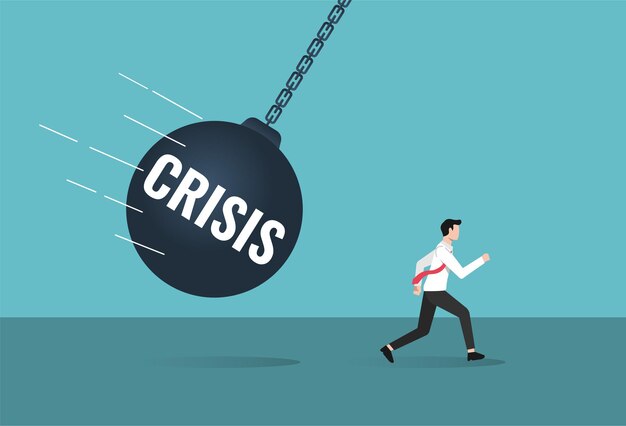
A common question is what constitutes a crisis and where can we draw the line?
When we are affected by the situation, it is easy to think that even a negative article or bad news justifies activating our crisis communication systems (if we have them, of course).
However, it is worth knowing that, according to a 2023 study, every negative word in a headline increases the readership of a given article by an average of 2.3%. So, understandably, the press and readers will always be more interested in a headline that presents a situation in a negative light.
This means that even completely positive, proactive communication can result in negative articles. However, this does not necessarily mean that we are dealing with a crisis situation. Of course, this does not mean that we do not have to pay attention to it or deal with it.
Most crisis situations start out as issues, similar to the sandworms seen in Dune, which begin their lives as small sand plankton, and most of them do not become the giant behemoths that carry Timothée Chalamet into battle. However, if the organization detects and addresses these situations in time, they can be handled within the normal course of business with minimal damage to reputation.
But if an organization is undisciplined and does not pay attention to issues, it can certainly lead to a serious crisis. See another movie analogy, when in The West Wing, the question of whether the president likes green peas slowly turns into a crisis. In other words, it is worth paying attention to issues and dealing with them, but it is not worth firing our entire arsenal at these situations, so that there is room for escalation, or so that crisis management itself does not inflate the issue.
That is why we at FleishmanHillard Café believe it is important to monitor issues continuously and respond to them quickly and appropriately. However, this requires the prior establishment of appropriate protocols and systems.
