
Transparent operation, fair competition and protection of the values of the communication profession — Fleishman Hillard joins the Charter of Ethical Agency as a founding member
.png)
The power of true - 25 years of professional curiosity, diversity and enthusiasm. And a team that still works today with the same passion as at the beginning.

The purpose of tenders is to support the selection of the right partner based on a validated professional background, competencies, and limited trial tasks. However, current practice often looks different: clients request complete strategies, detailed action plans, and creative solutions without remuneration, with tight deadlines and incomplete briefs. This is not only detrimental to agencies, but also impairs the quality of clients' decisions, ultimately hindering the selection of the most suitable agency partner. This problem is not unique to Hungary; it has been discussed internationally for years.

2026 is a watershed moment for corporate communications: reputation has never been more valuable, trust has never been more fragile, and artificial intelligence has never had such a profound impact on what information consumers and decision-makers see first. In this complex environment, PR is no longer just a complementary tactic—it is a strategic business function that directly impacts growth, risk management, and long-term competitiveness.
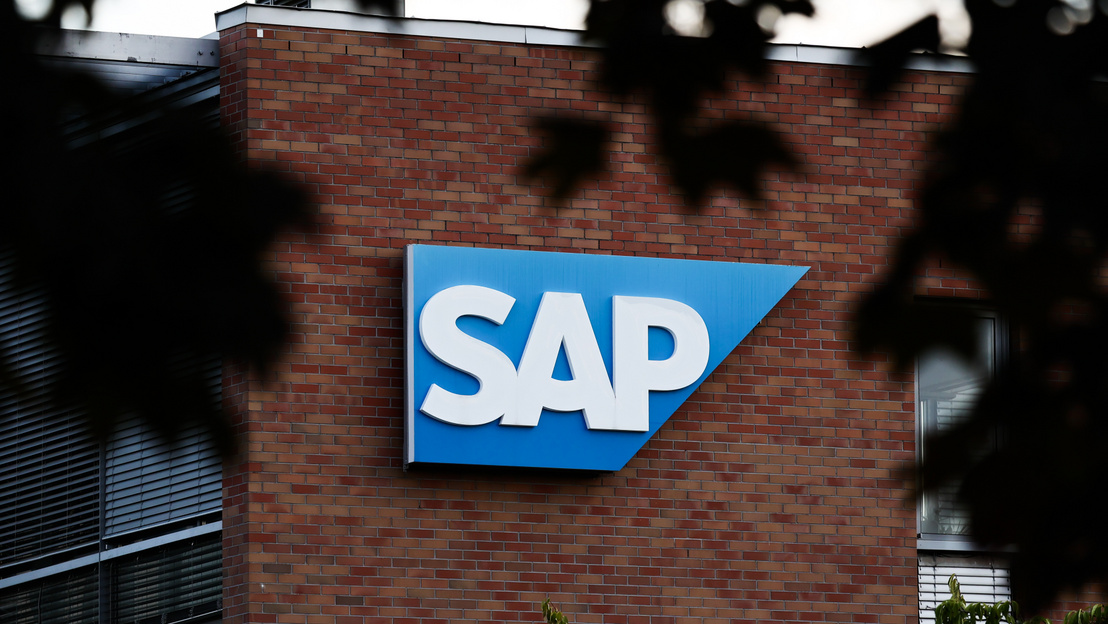
The sudden departure of SAP Hungary’s managing director, and the scandal that unfolded around it, once again highlighted that crisis management requires more than quick reaction. Thoughtful, well-structured and consistent communication plays an equally critical role. Without it, a company’s reputation can suffer long-term damage. This case also shows that ambiguity and vague wording often cause greater harm than the initial crisis itself. The aim of this article is not to detail the events at the company or to speculate, but to illustrate the challenges of managing a crisis rooted in organisational culture and structure.

Learn how to handle crises professionally. Customized crisis communication training for companies – with simulated exercises and proven effectiveness. Because crises will come. The question is whether your company will sink or ride them out.

When employees feel they are the last to know, they start looking for the exit. In our latest study, 61 % of people thinking about changing jobs said poor internal communication was a leading factor. At the same time, only 23 % of the global workforce is engaged at work, while the productivity drag from disengagement costs a typical S&P 500 company up to US $355 million every year.

One of the most important yet often underestimated keys to successful corporate communication is insight. But what exactly does this term mean, and how can it make our communication relevant, credible and motivating for the target audience?

The digital communication landscape is constantly changing: content production is accelerating, while trust in information is declining. In this challenging environment, brands must understand how to speak authentically, build connections and earn long-term trust. Péter Szatmári, Professional Director at FleishmanHillard, addressed these questions in his presentation at the joint workshop of Kreatív and FleishmanHillard Budapest titled “Compass, Not Magic – Why Insight Is the Real Key to Communication Success.”

Having left the Café Group last year, formerly known as Café PR, the team, which has won multiple domestic and international professional awards, has finally left the past behind and renewed itself. Under the name FleishmanHillard, they continue to work as one of the largest international communications agencies in Budapest, operating as an independent office. Complemented by new business lines and backed by experienced senior colleagues, they offer a renewed, modular range of services that has made them a recognized player in the market over the past 25 years.
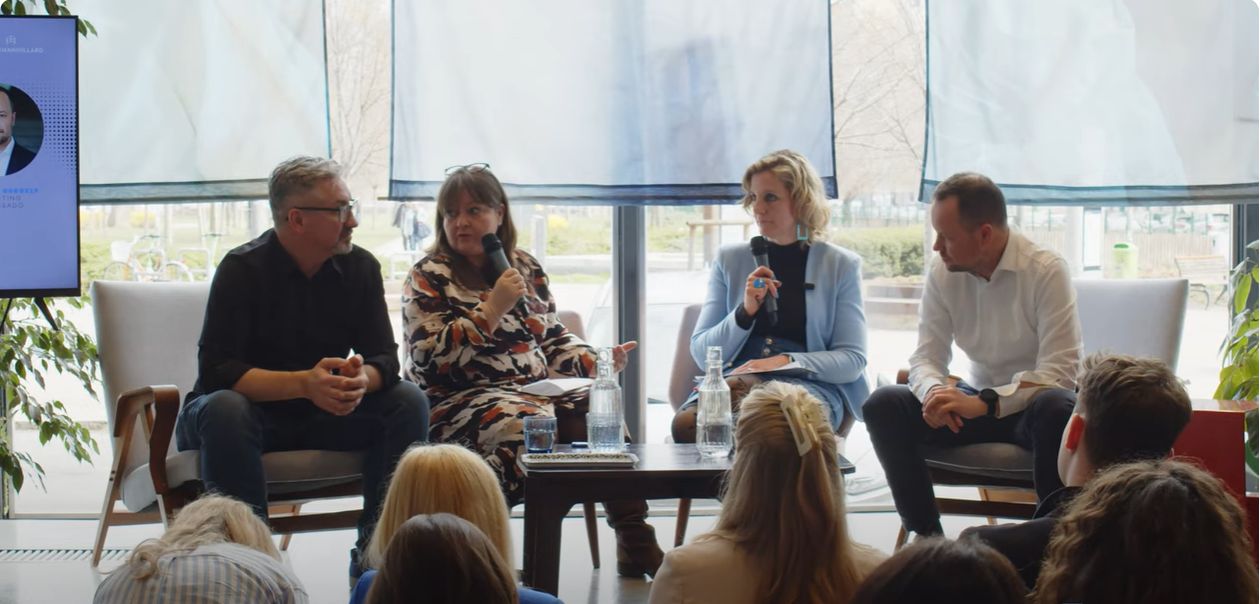
A creative, a marketer and a corporate communications professional walk into a café. This is not a joke — it’s an event. At a joint workshop hosted by FleishmanHillard and Kreatív magazine, leading experts of the industry reflected together on one of the most influential yet frequently misunderstood components of communication success: the insight.
The digital communication landscape is constantly changing: content production is accelerating, while trust in information is declining. In this challenging environment, brands must understand how to speak authentically, build connections and earn long-term trust. Péter Szatmári, Professional Director at FleishmanHillard, addressed these questions in his presentation at the joint workshop of Kreatív and FleishmanHillard Budapest titled “Compass, Not Magic – Why Insight Is the Real Key to Communication Success.”

Start Something New Weekend - Sponsorship Can Be Different. Almost a decade and a half ago, our first weekend of May was really special, when we were able to take part in perhaps one of our biggest events thanks to Vodafone. However, it was a challenge anyway. How can we make a street event, an announcement and an event interesting, how can we keep it at the center of media interest for nearly a month?
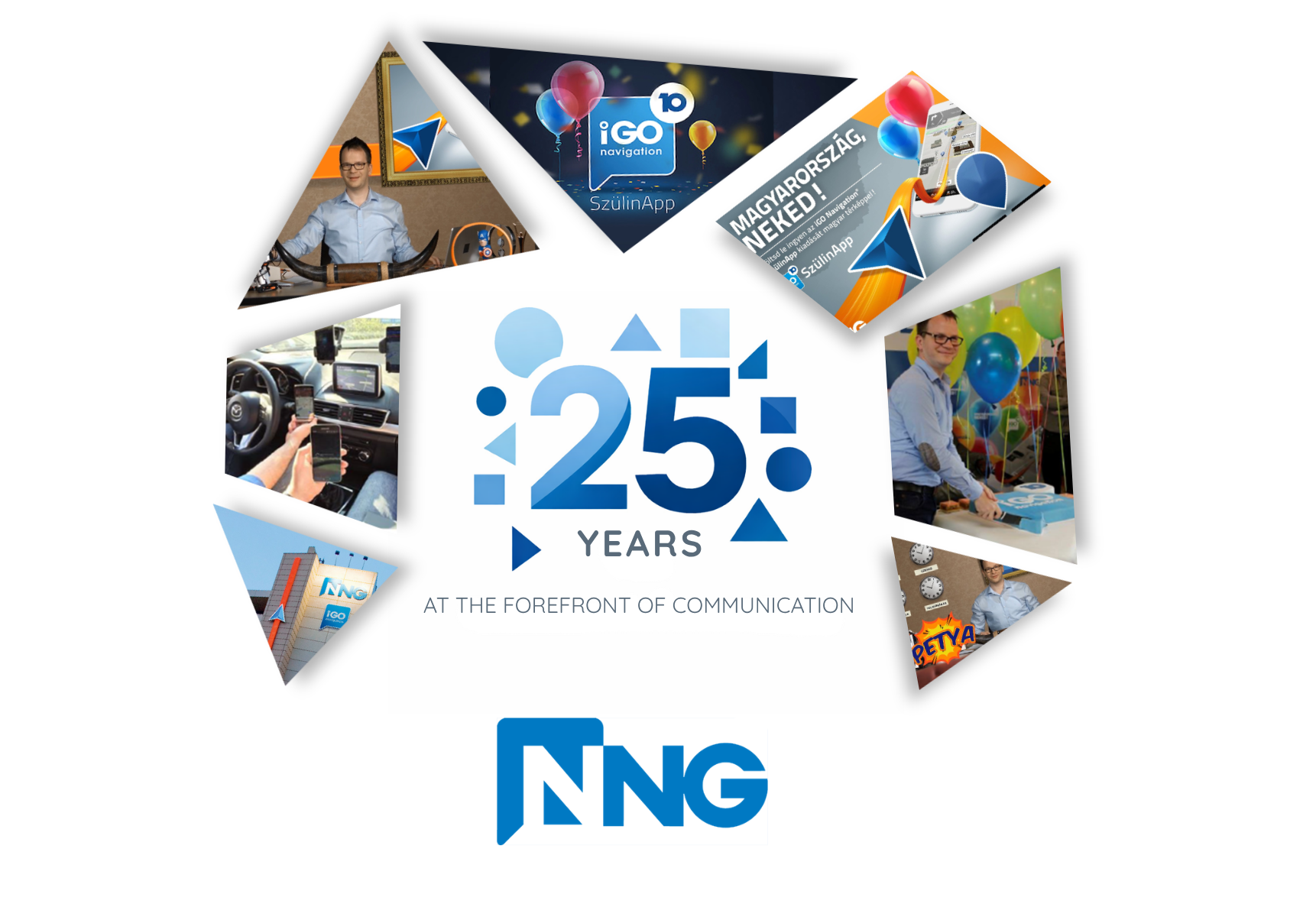
The 10th anniversary of the Hungarian-founded NNG was a great opportunity to tell the story of a Hungarian technological success story. The goal was not to celebrate in itself, but to give something back to the domestic audience. We wrote 2015 and in addition to Waze, iGO was used by most people on their phones - although its official Android version did not yet exist. The birthday thus provided a great opportunity to make NNG's already internationally recognized performance even more valuable to its most loyal fan base, the domestic audience.

The Hungarian communications market is on the verge of change. FleishmanHillard is convinced that the future of the profession can only be built on fairer competition, transparent operations, and jointly accepted ethical standards.
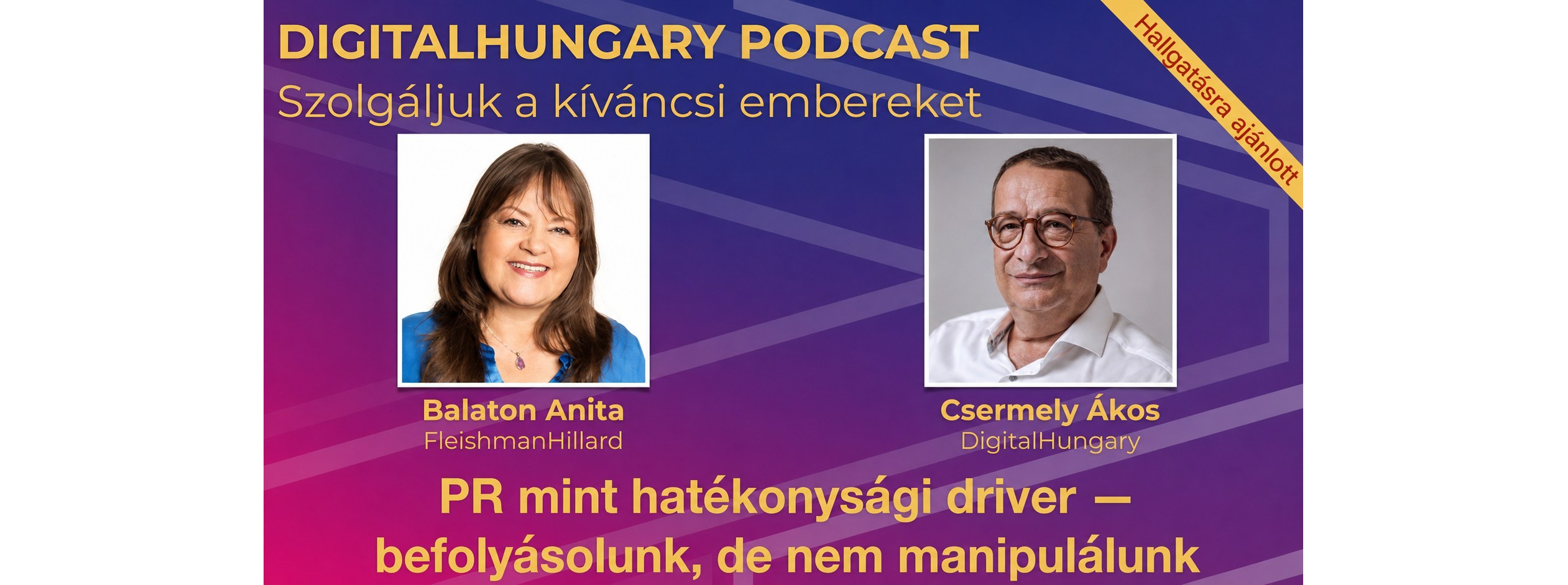
The essence of communication is not that we speak, but that we are believed. In the Digital Hungary! Magazine podcast, Anita Balaton discusses how artificial intelligence is reshaping the rules of visibility and credibility, why reputation is becoming a measurable business asset, and where the line is drawn between persuasion and manipulation.


